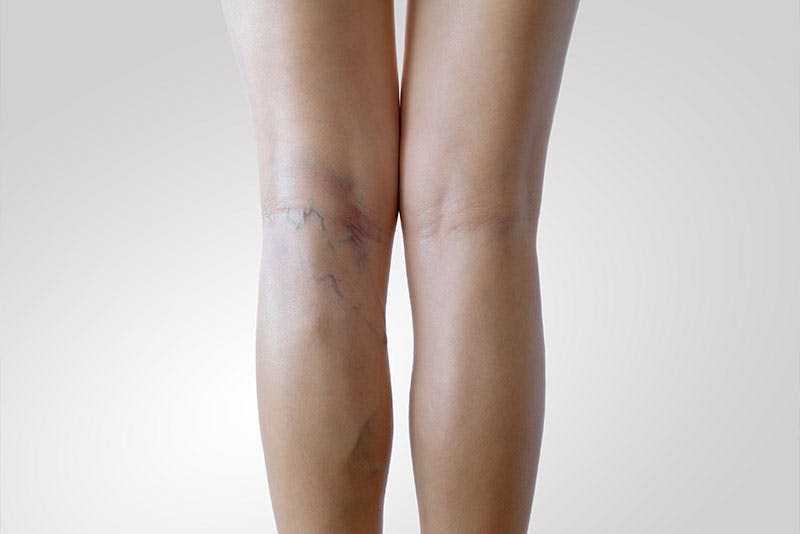
Ever wonder why some people get varicose veins while others never do? The answer often lies in your family tree. Genetics play a huge role in whether you’re likely to develop vein disease.
Why Genetics Matter
Vein health is partly determined by the strength of your vein walls and valves. If your parents or grandparents had varicose veins, you may have inherited weaker vein structure, making you more prone to blood pooling and bulging veins.
Other Risk Factors
Of course, lifestyle plays a role too. Pregnancy, obesity, standing or sitting for long hours, and aging can all contribute. But family history often sets the stage for how soon or how severe your varicose veins become.
What You Can Do if Veins Run in the Family
If you know vein disease is common in your family, early action is key. Look out for symptoms like heaviness, swelling, or visible veins. Wearing compression stockings, staying active, and elevating your legs can help slow progression.
Modern Solutions
The good news? Today’s vein treatments are minimally invasive and highly effective. Procedures like radiofrequency ablation, Varithena, or sclerotherapy can restore circulation and prevent future complications.
The Takeaway
You can’t change your genes, but you can take charge of your vein health. Recognizing the role of family history helps you be proactive before symptoms worsen.
To schedule a complimentary consultation, please call our office at 813-533-1999.