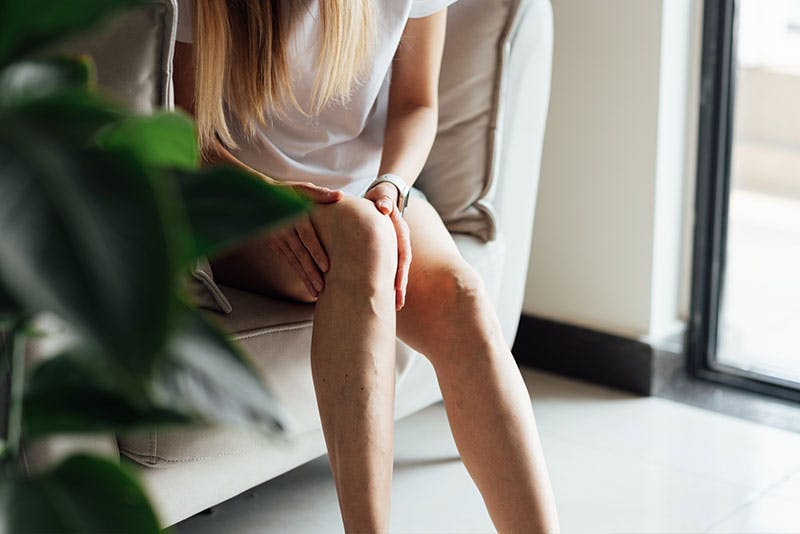
Varicose veins are one of the most common vein problems we see, and yet many people aren’t sure what they actually mean for their health. While most patients first notice varicose veins because of how they look—bulging, twisted, rope-like veins visible on the surface of the legs they are much more than just a cosmetic issue. They are often a sign of an underlying condition called chronic venous insufficiency, which occurs when the valves inside your leg veins stop working properly.
Why Do Varicose Veins Happen?
Your veins have tiny one-way valves that are designed to push blood upward, back toward your heart. Gravity naturally pulls blood downward, so these valves act like little doors to prevent backward flow. When those valves weaken or fail, blood begins to pool in the veins. Over time, the veins stretch, swell, and become visible through the skin. This is what creates the large, raised, and sometimes painful varicose veins that so many patients struggle with.
Symptoms to Watch For
Varicose veins are not just a surface-level concern. Many patients experience:
- Aching or throbbing in the legs, especially after standing or sitting for long periods.
- Swelling around the ankles or calves.
- Heaviness or fatigue in the legs that worsens throughout the day.
- Restless legs at night.
- Itching or burning sensations around the vein.
Left untreated, varicose veins can progress to more serious problems such as skin discoloration, hardening of the skin, and even venous ulcers (open wounds on the legs that are slow to heal).
Treatment Options Today
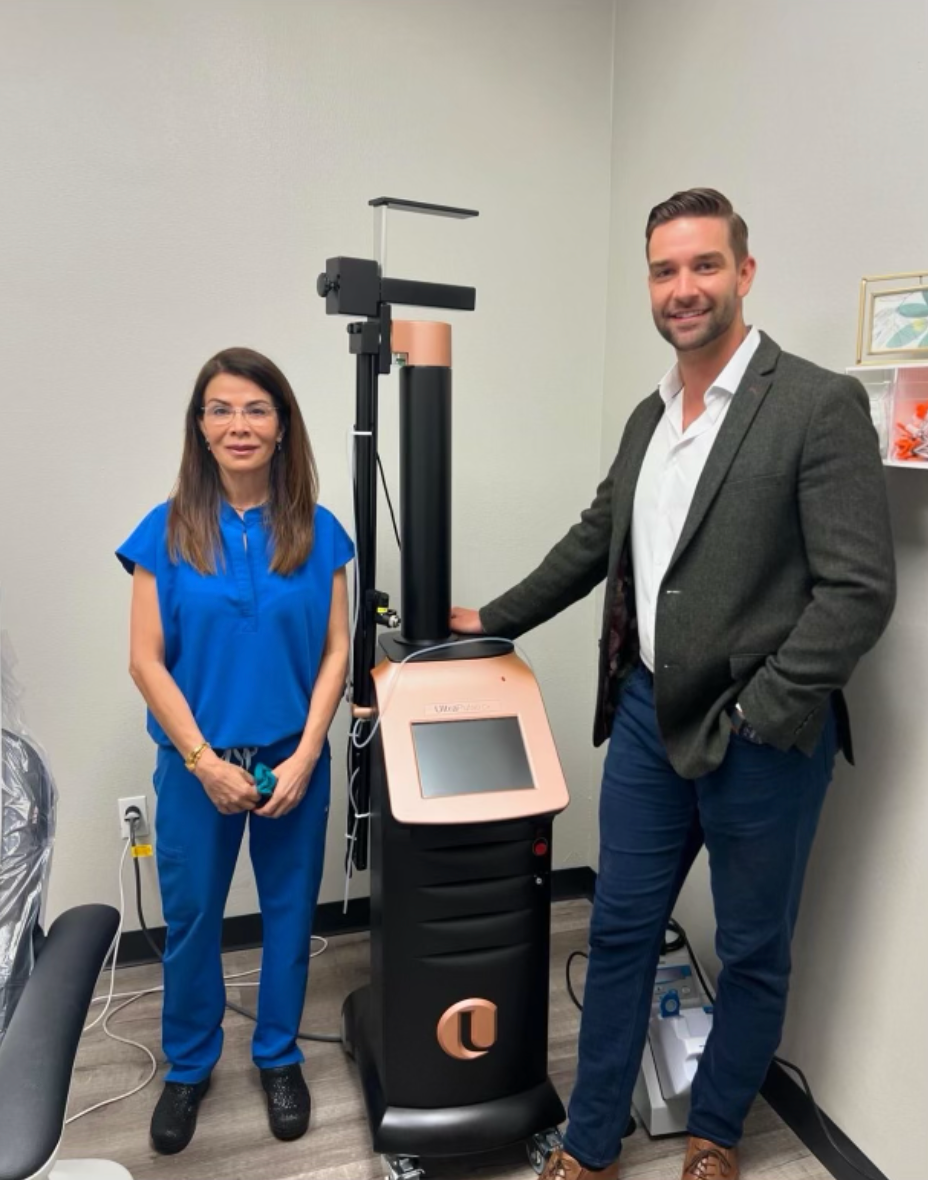
The good news is that treatments for varicose veins have come a long way. In the past, invasive surgery was the only option. Now, we can treat varicose veins with minimally invasive, office-based procedures that require little to no downtime. Some of the most effective options include:
- Radiofrequency Ablation (RFA): Uses gentle heat through a tiny catheter to close off the diseased vein, rerouting blood into healthier veins.
- Endovenous Laser Treatment (EVLT): A laser fiber is used inside the vein to seal it shut.
- Sclerotherapy: A simple injection treatment that collapses smaller varicose veins and spider veins.
- Microphlebectomy: A tiny, in-office procedure where larger varicose veins are removed through pinhole incisions with minimal scarring.
These treatments are safe, effective, and allow most patients to return to normal activities quickly.
Why You Shouldn’t Ignore Varicose Veins
Beyond discomfort and appearance, untreated varicose veins can significantly affect your quality of life. Constant aching, swelling, and fatigue may limit your ability to stay active or enjoy time with your family. More advanced complications like skin breakdown or ulcers can also lead to long-term health issues if not addressed early.
The sooner vein disease is diagnosed and treated, the better your results and the faster your recovery.
If you’ve noticed varicose veins or are experiencing symptoms such as aching, swelling, or heaviness in your legs, now is the time to take action. To schedule your complimentary consultation, please call our office at 813-533-1999.