What Are Varicose Veins?

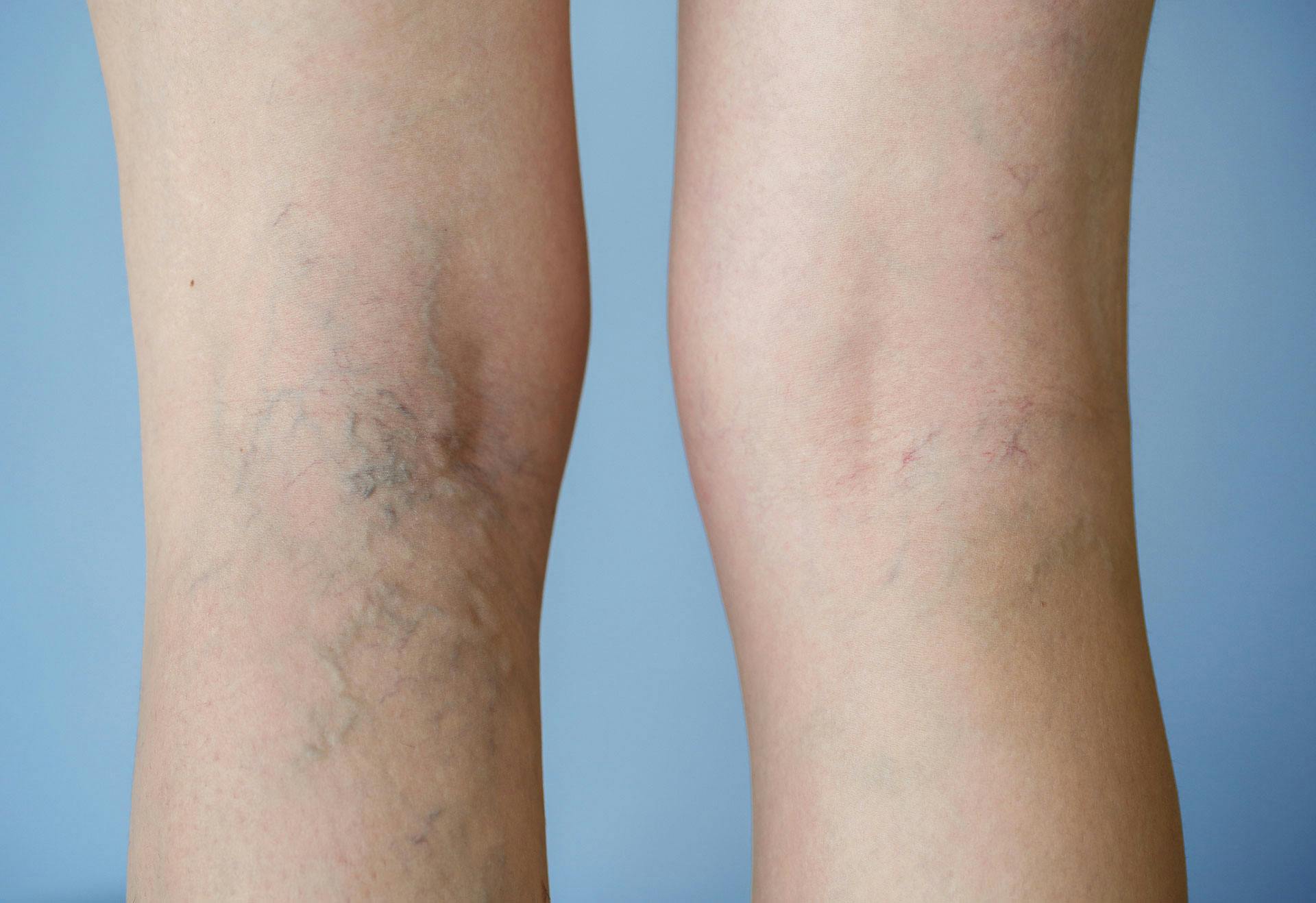
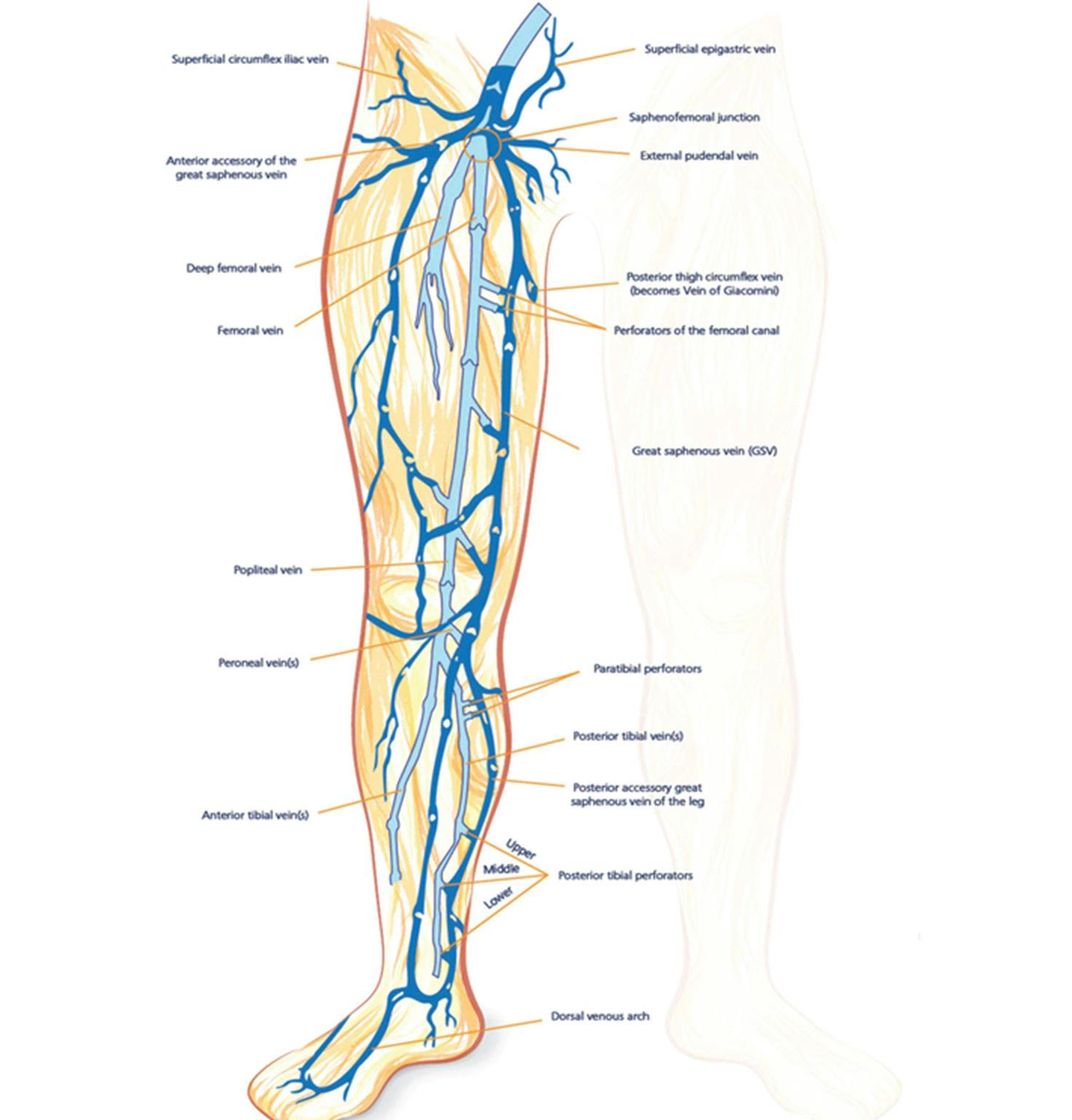
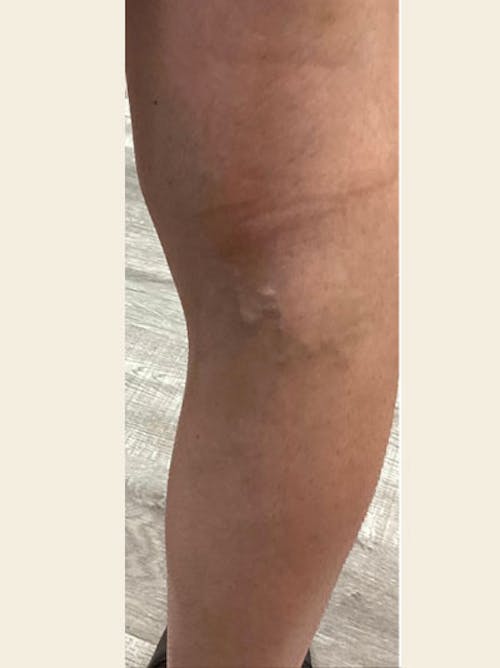
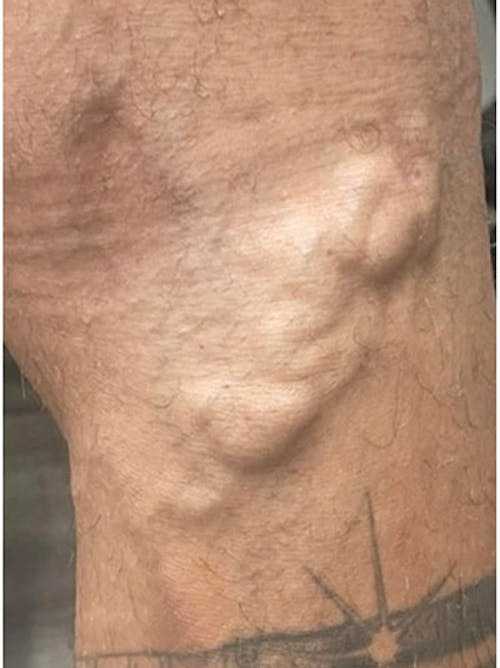
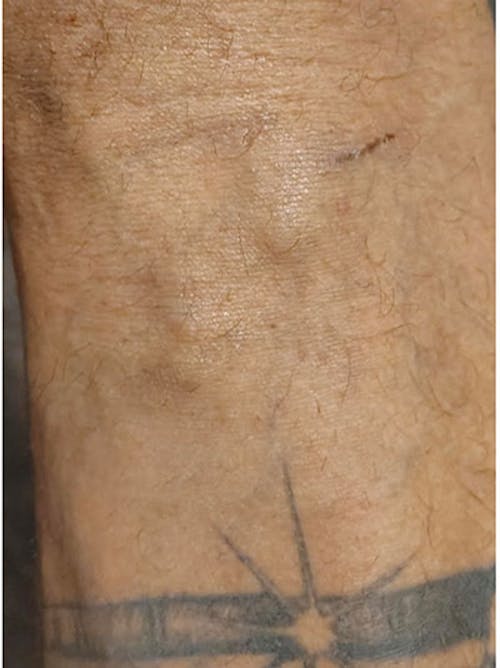
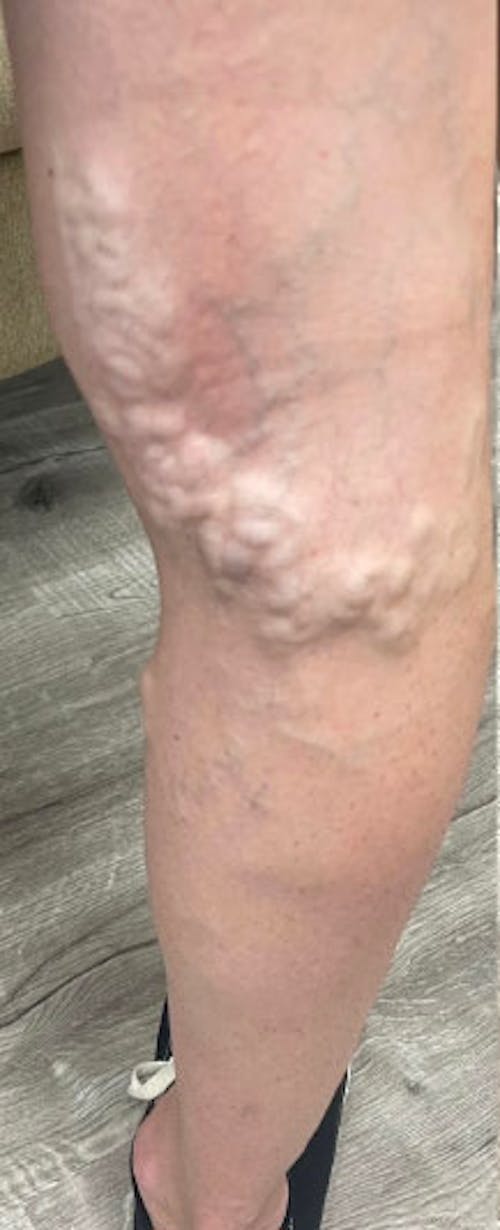
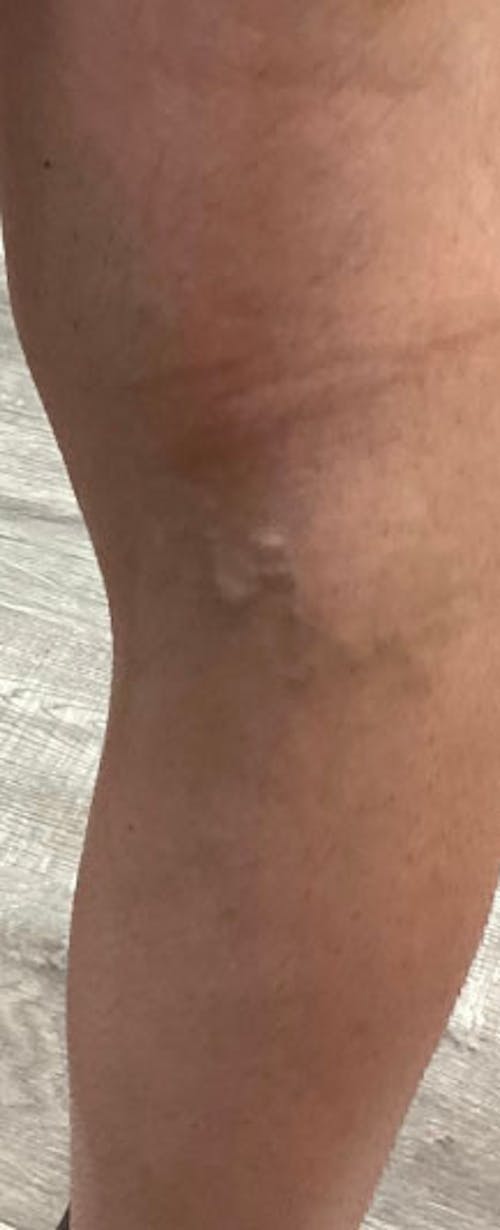
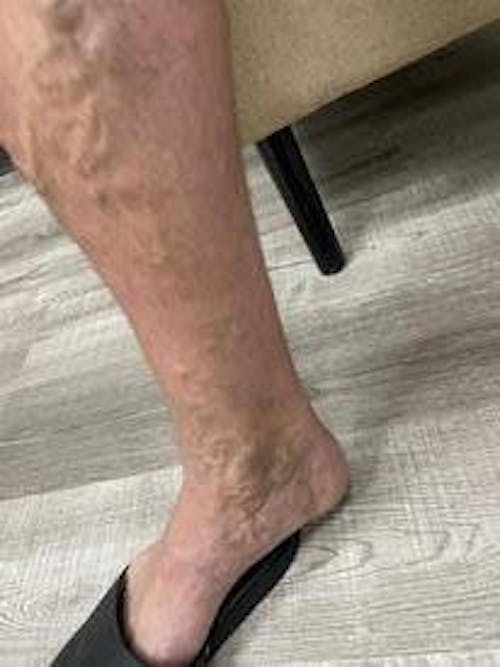
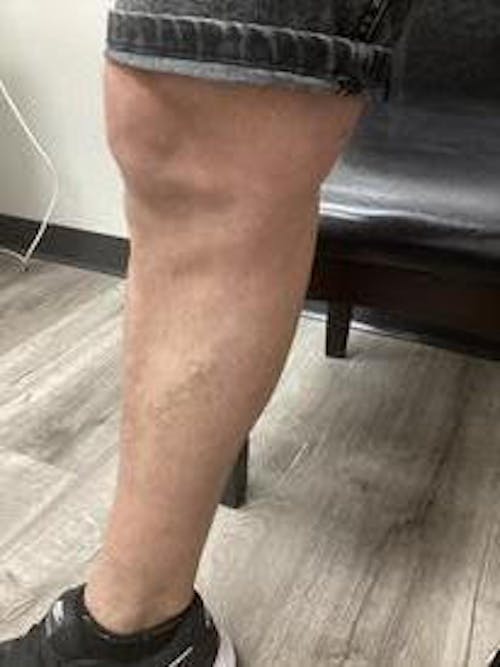
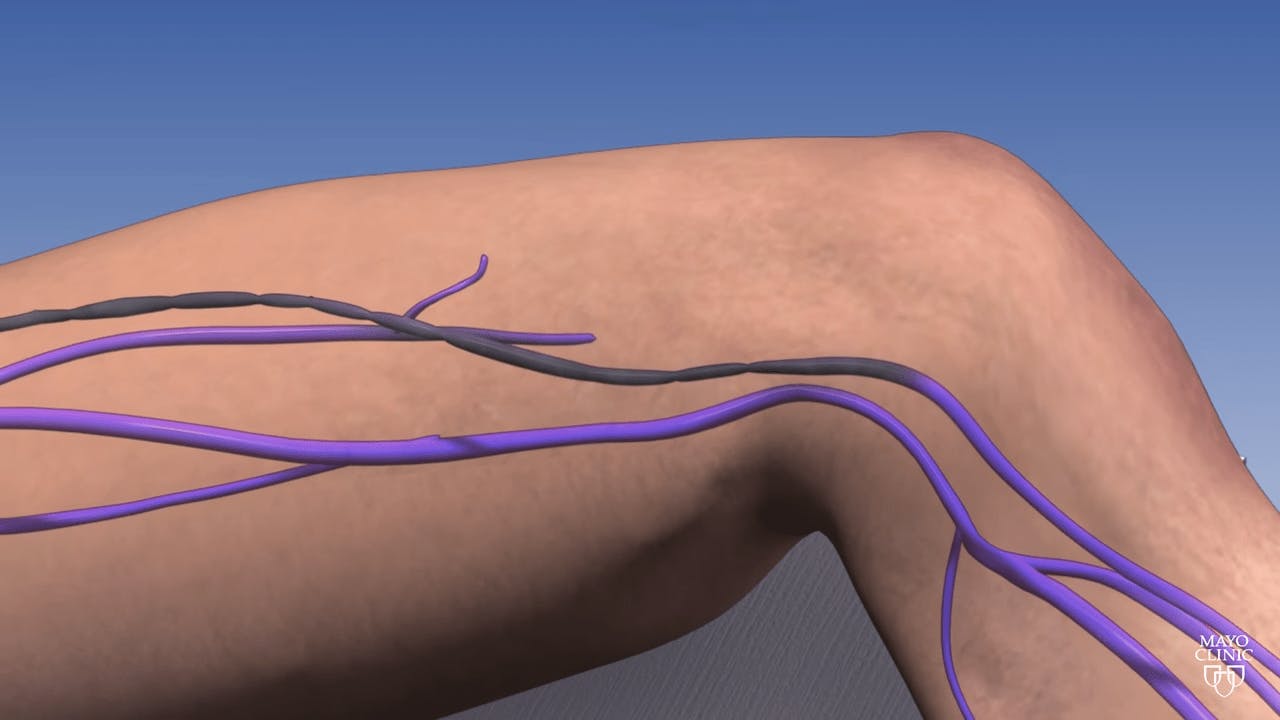
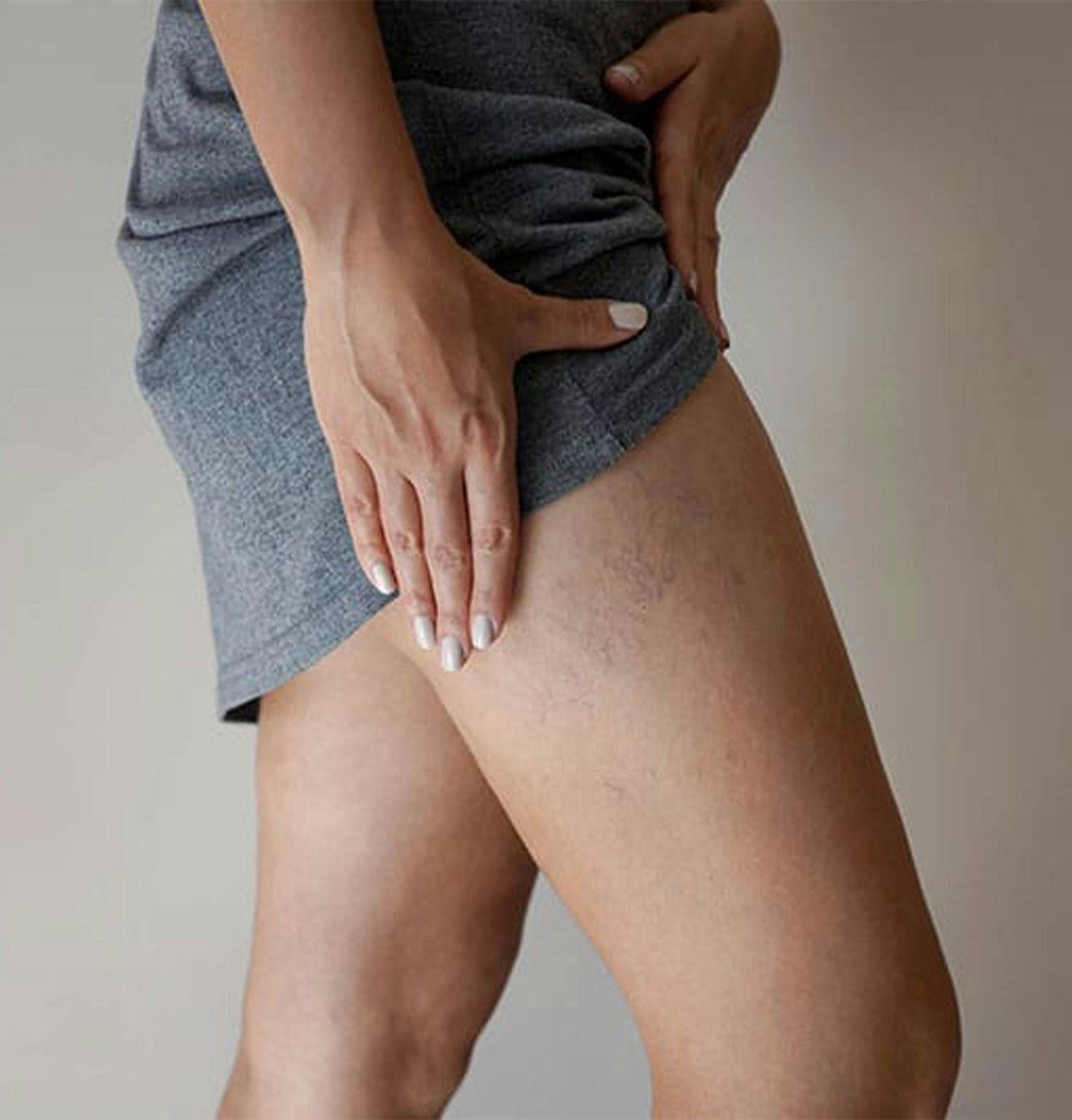
Varicose veins are enlarged, twisted veins that develop when the valves inside your leg veins weaken or fail. These valves are meant to keep blood flowing upward toward the heart, but when they don’t close properly, blood flows backward and pools in the vein. Over time, this increased pressure causes the vein to stretch and bulge outwards. Varicose veins typically appear blue, purple, or skin-toned and may look rope-like beneath the skin. They most commonly form in the legs, where veins must work against gravity.

Signs & Symptoms of Varicose Veins:

  • Aching, throbbing, or burning sensations in the legs
  • Heaviness or fatigue that worsens after standing or sitting
  • Swelling in the ankles, feet, or calves
  • Bulging, twisted veins visible beneath the skin
  • Itching or irritation over the affected veins
  • Nighttime leg cramps or restless legs
  • Skin discoloration or darkening around the ankles
  • Symptoms that improve with leg elevation but return over time
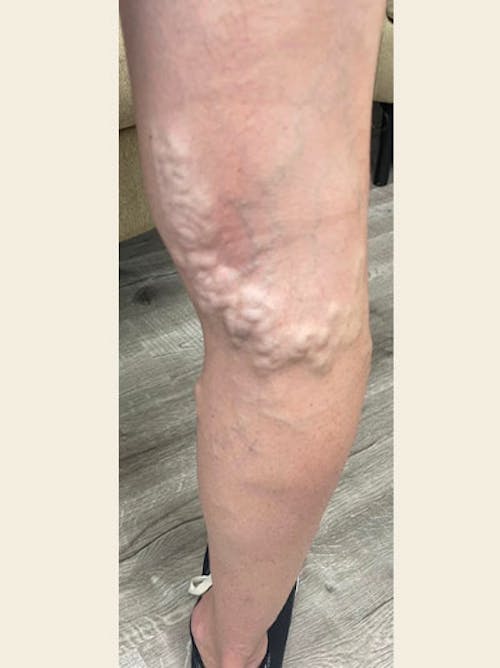
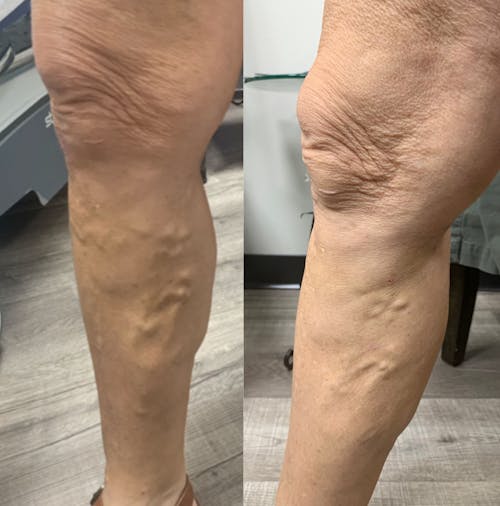
Before & After Varicose Veins Treatment

View Gallery

Varicose Vein Treatments - No Down Time

Regardless of the type of treatment, which would be tailored to your anatomy and based on the findings on the ultrasound, there is no downtime. Dr. Gharai will review all the treatment options with you in detail. After the treatment, you can return to work, your routine daily activities or even play golf.

Schedule an Appointment

Varicose Veins Aren’t Just a Cosmetic Issue

Varicose veins are often a visible sign of chronic venous insufficiency (CVI), a progressive medical condition caused by failing vein valves. When these valves don’t work properly, blood flows backward and pools in the legs, increasing pressure inside the veins. Over time, this can lead to leg pain, swelling, skin changes, inflammation, and even slow-healing ulcers. Without treatment, CVI tends to worsen rather than resolve on its own. Addressing the underlying disease, not just the appearance of veins, is essential for long-term vein health.

Your varicose vein treatment options Radiofrequency Ablation (RFA)

Radiofrequency ablation treats varicose veins by delivering controlled heat to a diseased vein through a thin catheter guided by ultrasound. The heat causes the vein wall to collapse and seal shut. Once closed, blood naturally flows into healthy veins with properly functioning valves. Over time, the treated vein is absorbed by the body. RFA targets the underlying venous reflux, reduces leg pressure, and relieves symptoms such as pain, swelling, and heaviness.

Tab media

Your varicose vein treatment options Laser Ablation (EVLT)

Endovenous laser ablation works similarly to RFA but uses laser energy instead of radiofrequency heat. A small laser fiber is inserted into the affected vein under ultrasound guidance. When activated, the laser delivers thermal energy that damages the vein wall, causing it to collapse and close. Blood circulation is immediately rerouted to healthier veins. EVLT effectively treats refluxing veins, reduces venous pressure, and improves circulation.

Tab media

Your varicose vein treatment options VenaSeal™

VenaSeal closes diseased veins using a medical-grade adhesive rather than heat. Under ultrasound guidance, a small amount of adhesive is delivered inside the vein, sealing it shut instantly. This eliminates abnormal blood flow and redirects circulation to nearby healthy veins. Because no thermal energy is used, VenaSeal does not require tumescent anesthesia or multiple numbing injections. The closed vein is gradually absorbed by the body.

Tab media

Your varicose vein treatment options Varithena®

Varithena is an FDA-approved injectable microfoam that treats larger or tortuous varicose veins that may not be suitable for catheter-based procedures. The foam is injected under ultrasound guidance, where it displaces blood and irritates the vein lining. This reaction causes the vein to collapse and seal closed. Blood is then rerouted through healthy veins. Varithena is highly effective for complex vein anatomy and provides symptom relief without heat or incisions.

Tab media

Your varicose vein treatment options Ultrasound-Guided Foam Sclerotherapy

Ultrasound-guided foam sclerotherapy treats veins that are not visible at the skin’s surface or are deeper within the leg. A medicated foam is injected into the targeted vein under ultrasound guidance. The foam damages the vein lining, causing it to collapse and eventually be absorbed by the body. This improves closure rates compared to liquid injections and is often used to treat residual varicose veins or small branches remaining after other vein procedures.

Tab media

Your varicose vein treatment options Ambulatory Phlebectomy

Ambulatory phlebectomy physically removes large, bulging varicose veins through tiny punctures in the skin. Using specialized instruments, the vein is gently extracted in sections under local anesthesia. Once removed, blood flow is automatically redirected to healthier veins. This procedure provides immediate cosmetic improvement. Phlebectomy is often combined with ablation treatments to address both the source of venous reflux and the visible surface veins.

Tab media

Advantages of Minimally Invasive Varicose Vein Treatments:

  • Performed in-office without the need for hospital admission
  • Treat the underlying venous reflux, not just visible veins
  • Little to no downtime with same-day return to activities
  • Minimal discomfort using local anesthesia or no anesthesia
  • Small or no incisions, reducing scarring and infection risk
  • Improved leg pain, swelling, and heaviness
  • Gradual fading or removal of visible veins
  • Long-term symptom relief with high success rates
  • Often covered by insurance when medically necessary

What to Expect From Varicose Vein Treatment

Step 1: Schedule a consultation

Your care begins with an in-office consultation to discuss your symptoms, medical history, and concerns. This visit allows our team to determine whether vein disease may be contributing to your discomfort and if further evaluation is needed. We’ll answer your questions, explain the process, and outline the next steps so you know exactly what to expect moving forward.

Step 2: Undergo a leg ultrasound

A comprehensive venous ultrasound is performed to evaluate blood flow in your legs. This painless, non-invasive scan identifies valve failure, venous reflux, vein size, and any clots or obstructions. Ultrasound findings confirm the diagnosis and help determine which veins require treatment and which varicose vein treatments will be most effective.

Step 3: Verify insurance benefits

Once vein disease is confirmed, our team works directly with your insurance provider to verify coverage and obtain any required authorizations. Because varicose veins are often a medical condition, many diagnostic tests and treatments are covered. We review expected costs with you in advance and provide clear guidance before treatment begins.

Step 4: Get personalized vein treatment

Based on your ultrasound results, symptoms, and goals, a customized treatment plan is created. This may include one or more minimally invasive procedures performed in our office. Treatments are staged to close diseased veins, restore healthy circulation, and relieve symptoms while minimizing downtime and helping you return to daily activities quickly.

Background media

We Accept All Insurance

Wondering about your insurance for vein treatment? We accept ALL insurance plans and handle all paperwork directly with your provider. Coverage depends on your specific plan, but treatments are more likely to be approved with evidence of medical need, such as abnormal blood flow, pain, or swelling. Our team ensures a smooth, hassle-free experience for you.

Varicose Veins FAQs

Are varicose veins dangerous?

Do varicose veins go away on their own?

Will closing a vein affect my circulation?

How long does recovery take?

Can varicose veins come back after treatment?

Are varicose vein treatments covered by insurance?

Are varicose veins dangerous?

In many cases, varicose veins are not immediately dangerous, but they should not be ignored. They are often a sign of venous insufficiency, which can worsen over time. If left untreated, you may develop increasing pain, swelling, skin changes, inflammation, blood clots, or slow-healing leg ulcers. Evaluation helps determine whether treatment is medically necessary.

Do varicose veins go away on their own?

Varicose veins do not resolve on their own. While symptoms may temporarily improve with leg elevation or compression stockings, the valve failure remains. Over time, veins typically become more prominent, and symptoms often progress. Minimally invasive vein treatment is the only way to permanently close diseased veins and improve circulation.

Will closing a vein affect my circulation?

No. The veins being treated are already malfunctioning, allowing blood to pool in your legs. Once closed, blood is naturally rerouted to healthier veins with functioning valves. This actually improves overall blood circulation and reduces pressure.

How long does recovery take?

Recovery from minimally invasive varicose vein treatment is quick. You are encouraged to walk immediately after your procedure and can usually return to normal activities the same day or within 24 hours. Compression stockings are often recommended for a short period.

Can varicose veins come back after treatment?

Once a vein is successfully treated, it does not return. However, vein disease is chronic, and new abnormal veins may develop over time due to genetics, aging, or lifestyle factors. Regular follow-ups and early treatment help prevent progression and maintain leg health.

Are varicose vein treatments covered by insurance?

Many varicose vein treatments are covered by insurance when symptoms and ultrasound findings show medical necessity. Coverage varies by plan, but diagnostic ultrasounds and procedures such as ablation or injection therapy are often included. Our team verifies your benefits and explains costs before treatment begins.

Doctor media

Why Dr. Gharai?

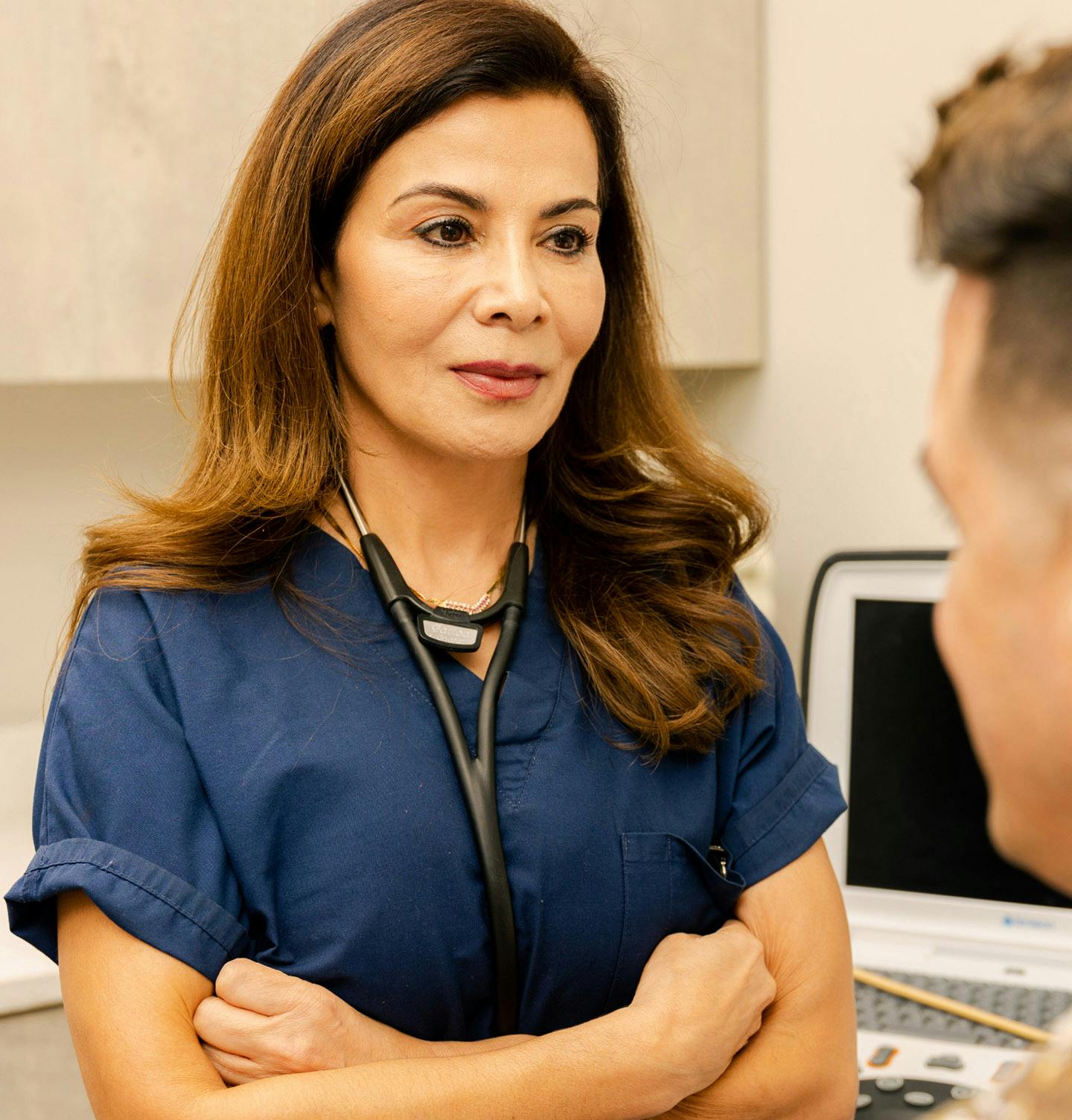
At the Vein & Aesthetics Center of Tampa Bay, your care is guided by an experienced, compassionate team led by double board-certified surgeon Fariba Gharai. She specializes in the treatment of vascular and venous disease and uses advanced diagnostic ultrasound, along with minimally invasive treatments, to address the root cause of varicose veins, not just their appearance. If you’re ready to address varicose veins and restore optimal circulation, please schedule your free consultation today.

We are here to make you look good and feel good

Seeing the results you desire in the mirror is within reach! Schedule your free consultation with Vein & Aesthetics Center of Tampa Bay, and find out how Dr. Gharai can help you achieve your aesthetic goals.

Schedule a Free Consultation

© Vein & Aesthetics Center. All Rights Reserved.

Accessibility: If you are vision-impaired or have some other impairment covered by the Americans with Disabilities Act or a similar law, and you wish to discuss potential accommodations related to using this website, please contact our Accessibility Manager at 813-798-1477.

Scheduling Disclaimer - Click Here

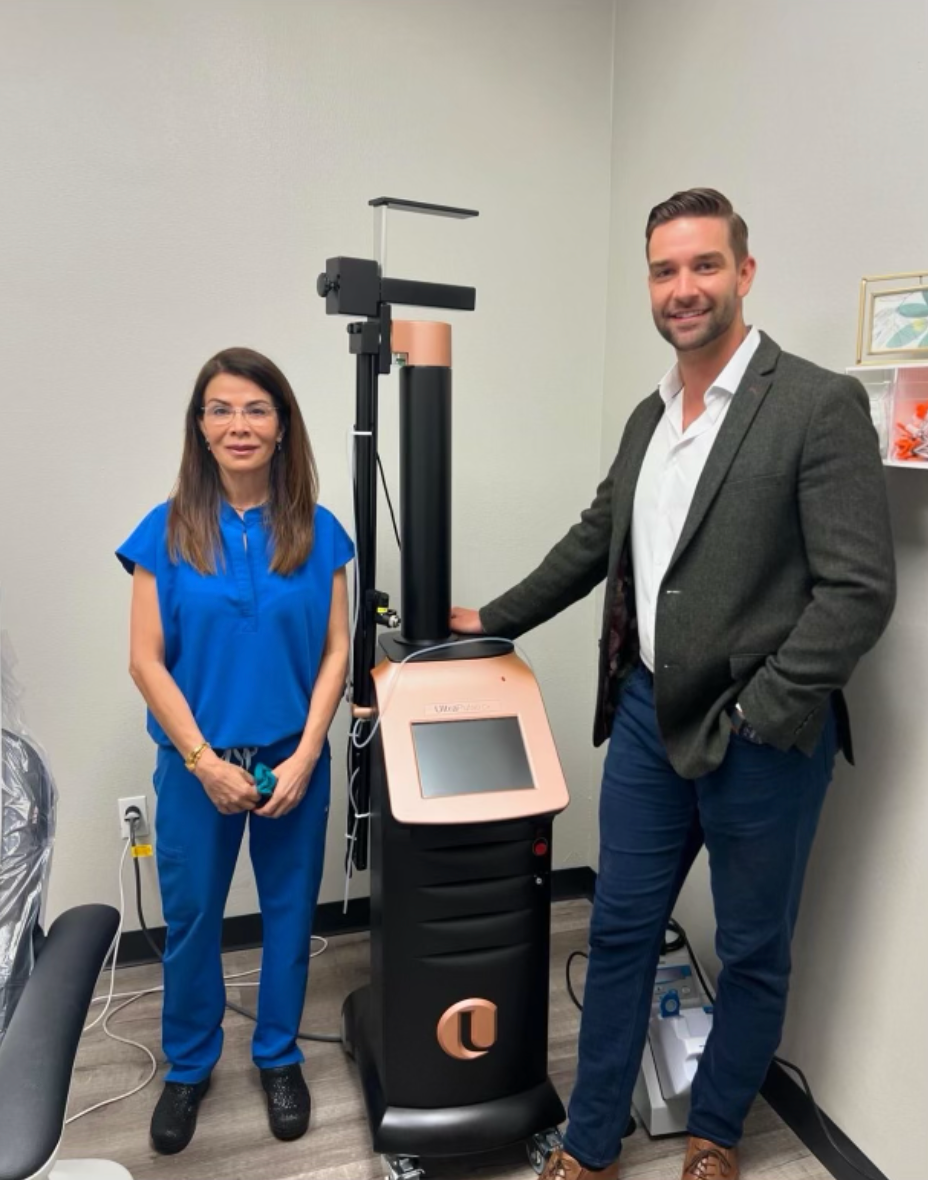
New Device: Luminis ULTRA Pulse Alpha

New Product: Lumenis ULTRA Pulse Alpha
Contact Us