







17

Mar

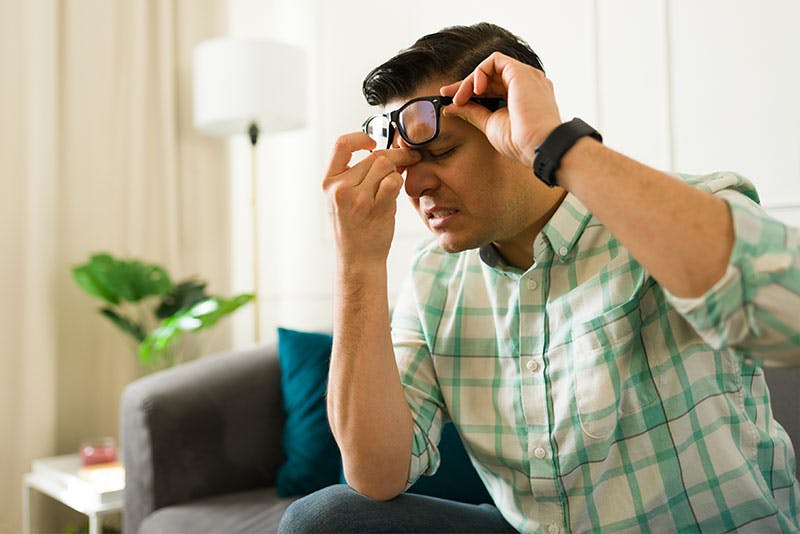
How Often Do You Need Botox for Migraine Prevention?

When patients first learn about Botox as a treatment for chronic migraine, one of the most common questions they ask is how often the treatment needs to be repeated. Unlike daily medications, Botox works gradually over time and is administered at specific intervals. Understanding...

View More

16

Mar

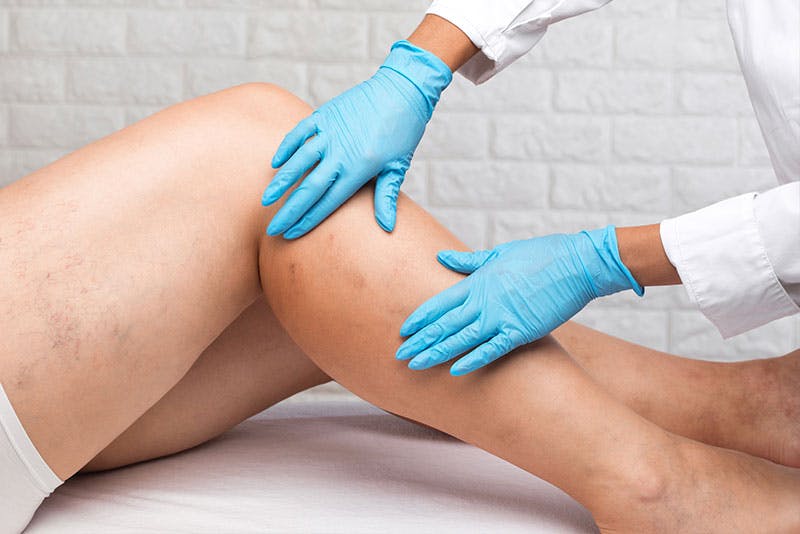
Vein Treatments and Patient Comfort: Reducing Anxiety During In-Office Procedures

Varicose veins and spider veins affect millions of people. These conditions can cause cosmetic concerns, discomfort, and even symptoms like heaviness or swelling in the legs. Fortunately, modern vein treatments allow many patients to receive effective care in an outpatient settin...

View More

13

Mar

Understanding Chronic Migraine and When Medical Botox Becomes a Treatment Option

Migraines are far more than just headaches. For people who experience them frequently, migraines can disrupt nearly every part of daily life. Work productivity, family responsibilities, sleep quality, and overall well-being can all be affected by recurring migraine attacks. When ...

View More

13

Mar

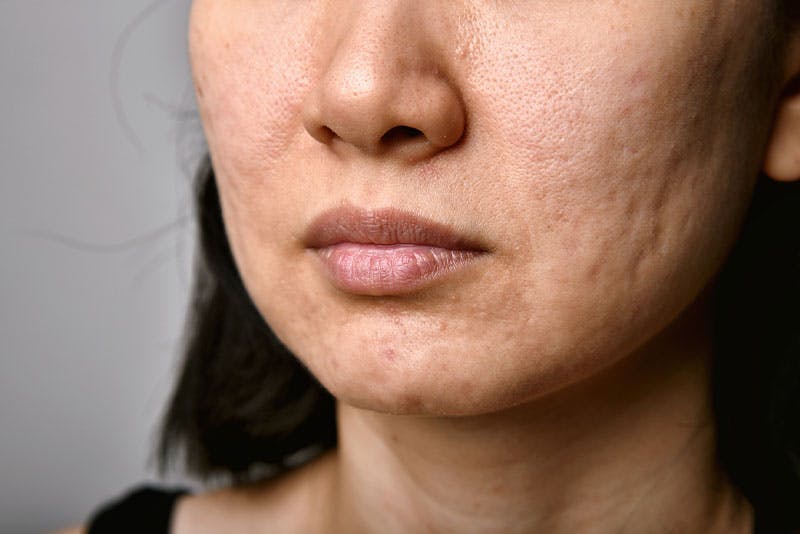
Improving Comfort During Treatments for Rosacea, Redness, and Vascular Skin Concerns

Many people struggle with persistent facial redness or visible blood vessels that never seem to fade. These vascular skin concerns can affect both appearance and confidence, and they often become more noticeable over time. Common conditions that cause visible redness include: Ro...

View More

04

Mar

Are Spider Veins Just Cosmetic?

Spider veins—those thin, web-like blue, purple, or red veins that appear on the surface of the skin—are often brushed off as just a cosmetic issue. Many people think they're simply an “aesthetic nuisance” that comes with age or genetics. While it&rsq...

View More

04

Mar

Why Do My Legs Feel Heavy? Understanding Venous Insufficiency

Have you ever come home at the end of the day and noticed your legs feel like they've been weighed down with sandbags? You’re not alone. Many people describe their legs as heavy, tired, or achy, especially after standing or sitting for long periods. While it’s t...

View More

04

Mar

Understanding Varicose Veins: More Than Just a Cosmetic Issue

Varicose veins are one of the most common vein problems we see, and yet many people aren't sure what they actually mean for their health. While most patients first notice varicose veins because of how they look—bulging, twisted, rope-like veins visible on the surface ...

View More

22

Jan

Can Standing All Day Cause Vein Problems?

Do your legs feel sore after a long shift at work? If you stand for hours each day—whether you're a teacher, nurse, server, or retail worker—you may be at risk for vein issues. Why Standing Matters When you stand for long periods, your veins have to work extra h...

View More

22

Jan

The Role of Family History in Varicose Veins

Ever wonder why some people get varicose veins while others never do? The answer often lies in your family tree. Genetics play a huge role in whether you're likely to develop vein disease. Why Genetics Matter Vein health is partly determined by the strength of your vein wal...

View More

22

Jan

What Does Leg Heaviness Mean? Early Signs of Vein Disease

Do your legs feel heavy, achy, or tired—especially at the end of the day? Many people brush it off as “just getting older” or from standing too long, but leg heaviness can actually be an early warning sign of vein disease. Why Veins Matter Your veins carry blood...

View More

02

Dec

Why Spider Veins Are More Than Just a Cosmetic Issue

Spider veins—those thin, web-like clusters of red, blue, or purple lines on your legs—are often thought of as just a cosmetic issue. But did you know they can sometimes point to underlying vein problems? What Causes Spider Veins? Spider veins form when tiny blood vess...

View More

21

Nov

Collagen Loss with Age: Signs, Symptoms, and Solutions

Collagen is like the scaffolding of your skin—it keeps everything firm, plump, and youthful. Unfortunately, starting in your mid-20s, your body makes less collagen every year. By the time you hit your 40s and beyond, that loss really starts to show. Signs of Collagen Loss ...

View More